Endless plains, remarkable wildlife and the dramatic movement of the Great Migration make the Serengeti Tanzania’s most celebrated safari destination.
The Serengeti is a vast wilderness of golden grasslands, rocky kopjes and wildlife-filled valleys. It is best known for the Great Migration, but its resident wildlife makes every season rewarding.
Approximately 14,763 km²
June to October for dry-season wildlife viewing; December to July for different stages of the Great Migration.
3–5 days
The Great Migration, big cats, endless plains and exceptional year-round game viewing.
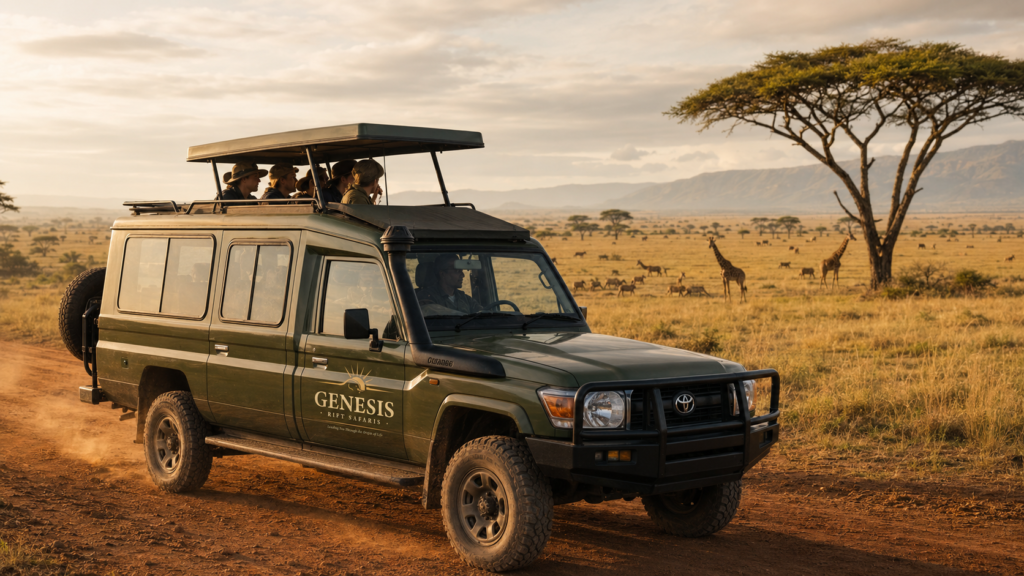
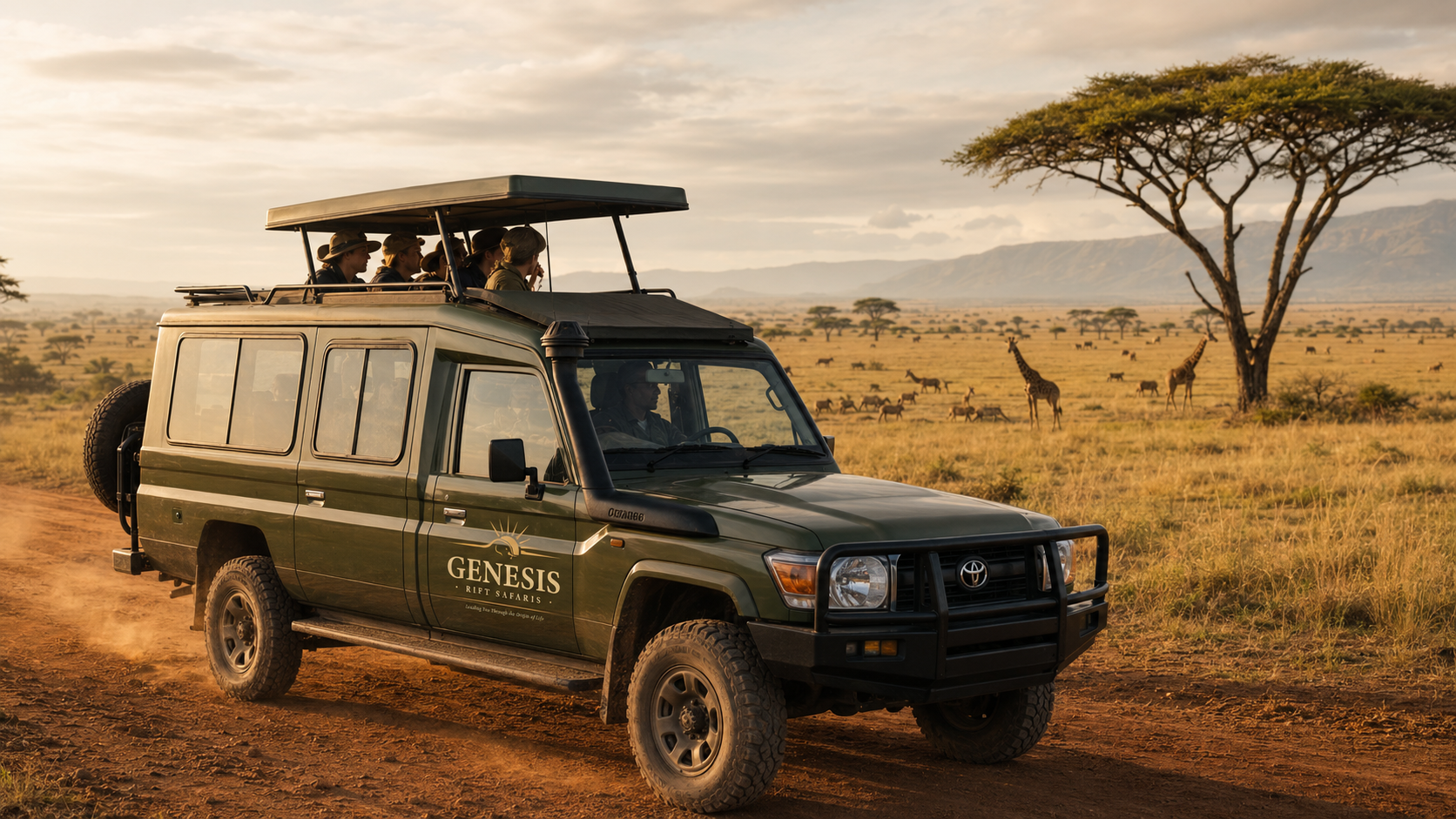
The Serengeti is the Tanzania many travellers imagine: open plains stretching towards the horizon, scattered acacia trees and animals moving freely through the landscape.
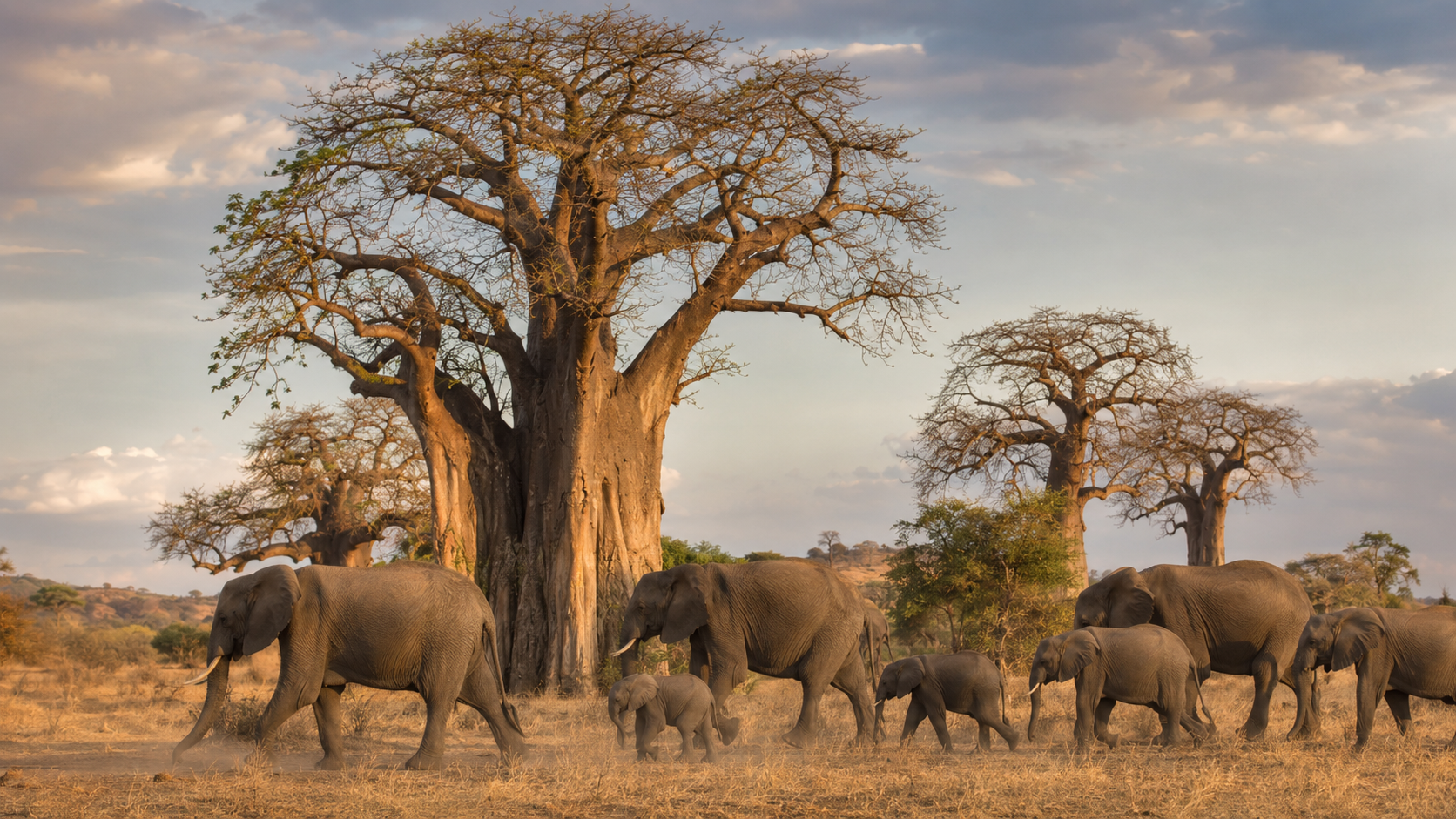
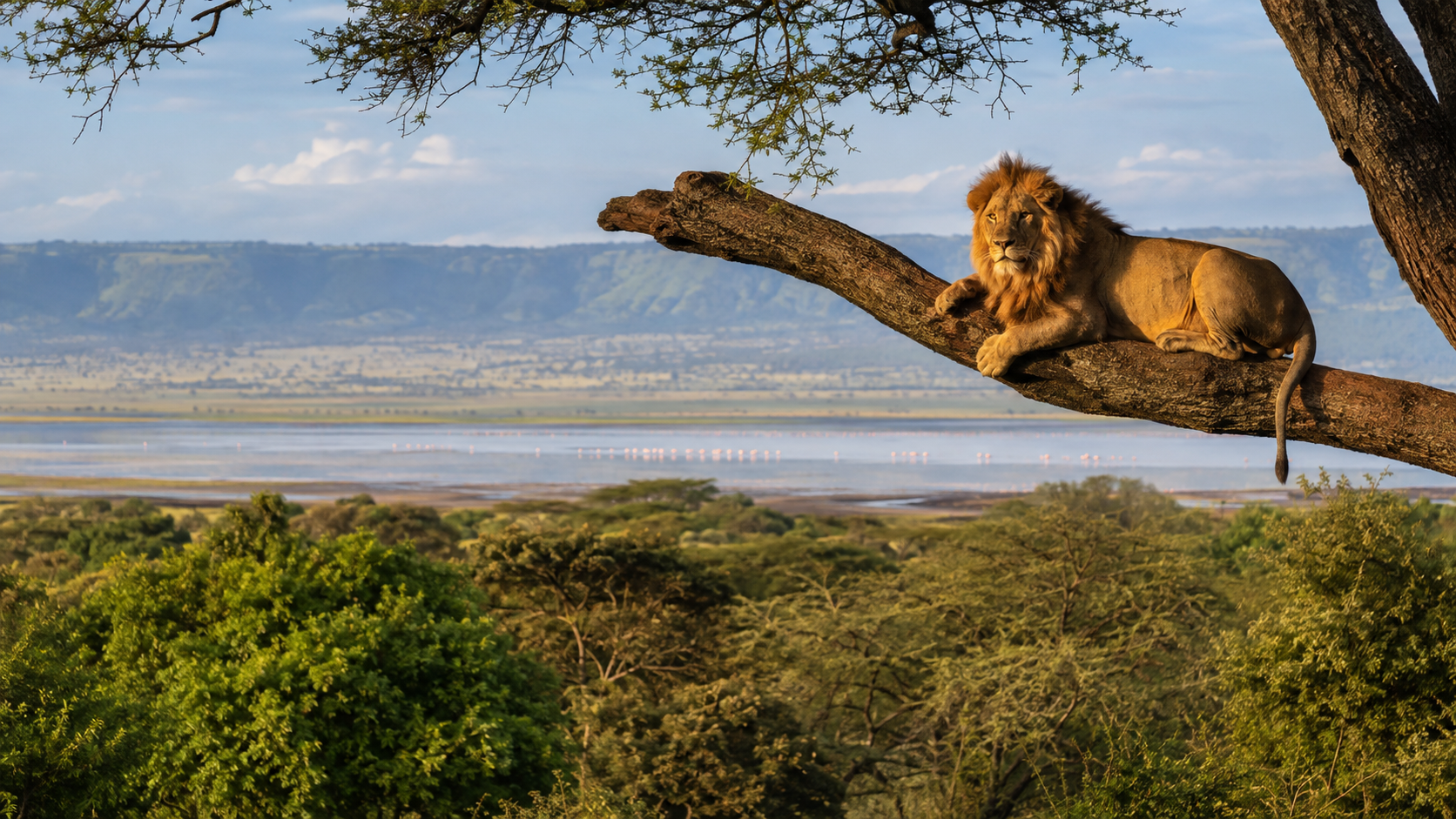
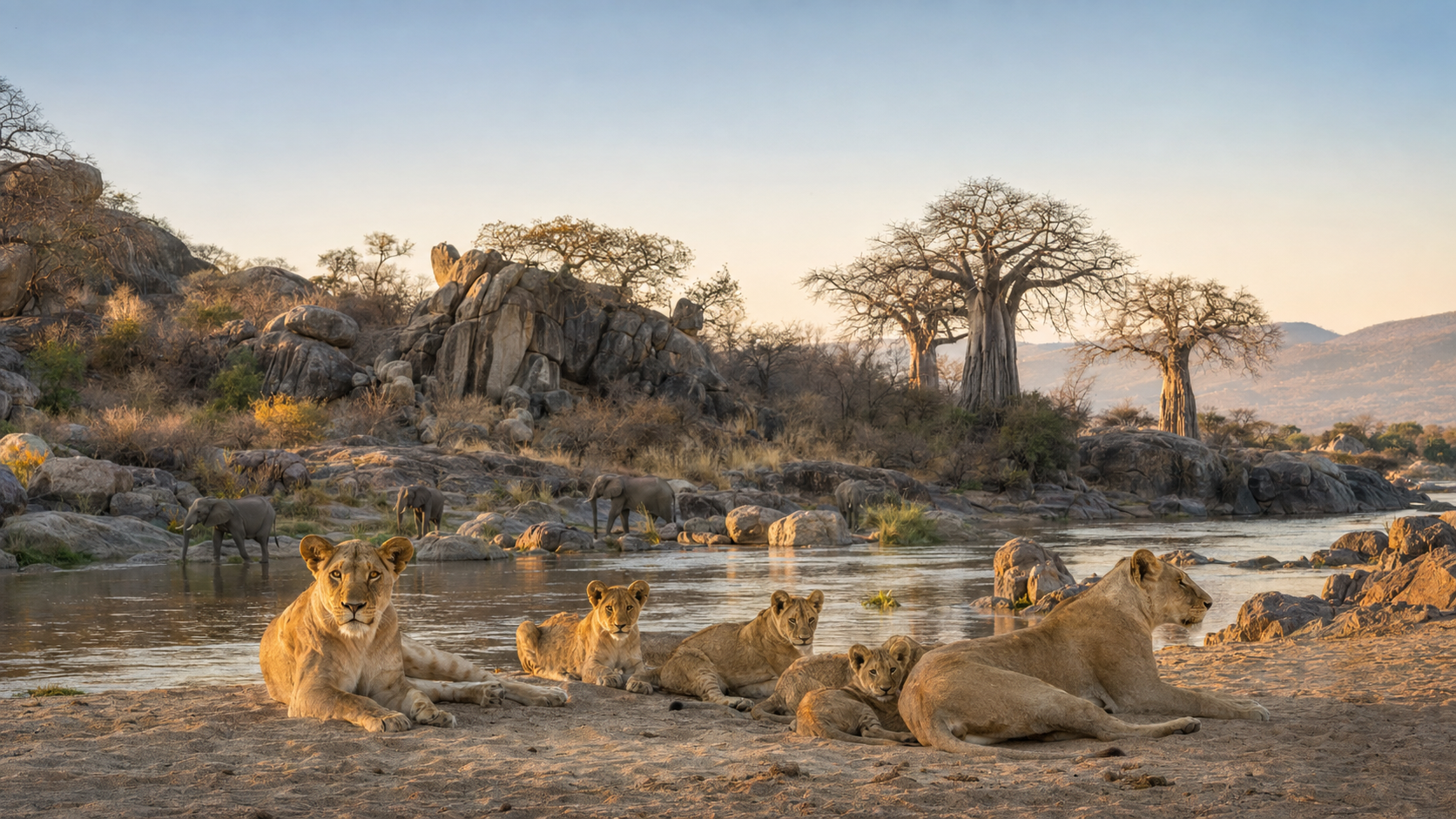
Millions of wildebeest, zebras and gazelles travel through the wider Serengeti ecosystem during the Great Migration. Lions, leopards, cheetahs, elephants and countless other species remain throughout the year, making the park rewarding in every season.
| dry | June–October | Excellent wildlife viewing, clearer roads and animals gathering near permanent water sources. |
| green | November–March | Green landscapes, migratory birds and the beginning of the wildebeest calving season in the southern plains. |
| year_round | April–May | Fewer visitors, dramatic skies and lush scenery, although some roads may become difficult. |
The Serengeti can be reached by road from Arusha through the Ngorongoro Conservation Area. Travellers can also fly from Arusha, Kilimanjaro, Zanzibar or other safari destinations to one of the park’s airstrips.
The Serengeti offers accommodation ranging from comfortable tented camps to luxury lodges. Mobile migration camps follow the herds seasonally, while permanent properties provide convenient access to wildlife throughout the year.